
Why Organized Content Categories Improve User Experience in Large Online Libraries
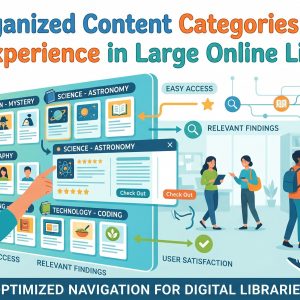
As online content libraries continue to grow, finding specific content has become increasingly
challenging. Modern platforms often contain thousands or even millions of pieces of content,
making organization one of the most important factors in creating a positive user experience.
While search functions remain useful, many users prefer browsing through structured categories
that help them discover relevant content quickly and efficiently.
One of the biggest challenges facing large digital libraries is information overload. When users
are presented with an endless stream of content without clear organization, it becomes difficult
to locate material that matches their interests. Even highly advanced search systems can
struggle to replace the convenience of well-structured categories and navigation systems.
Organized categories help solve this problem by creating clear pathways through large
collections of content. Instead of manually searching through hundreds of unrelated results,
users can narrow their focus using predefined sections that group similar content together. This
significantly reduces the time required to find relevant material while creating a smoother
browsing experience.
Another advantage of category-based navigation is content discovery. Users often visit a
platform with a general interest rather than a specific search query. In these situations,
organized categories allow visitors to explore related content naturally. Someone interested in a
particular genre, franchise, topic, or content type may discover additional material they would
not have found through search alone.
Structured navigation also helps users understand the scope of a platform. Clearly defined
categories provide a visual overview of available content and make large libraries feel more
approachable. Rather than appearing overwhelming, content collections become easier to
explore because users can immediately identify sections that match their interests.
Many successful digital platforms have adopted multi-layered organization systems that
combine categories, tags, genres, and search functionality. This approach allows users to
browse content in different ways depending on their preferences. Some visitors may prefer
searching for specific keywords, while others enjoy exploring curated sections organized around
broader themes.
The benefits extend beyond convenience. Well-organized content libraries often encourage
longer browsing sessions because users can move seamlessly between related pages and
topics. When navigation feels intuitive, visitors are more likely to continue exploring additional
content rather than leaving the platform after viewing a single page.
This is especially important for platforms that manage large collections spanning multiple topics
and categories. For example, users interested in a specific franchise may prefer dedicated
sections focused on that universe rather than sorting through unrelated content. Dedicated
pages for topics such as the Resident Evil franchise help streamline discovery while making it
easier for visitors to find content that matches their interests.
Websites like Crohasit utilize structured categories, genres, and franchise-based organization to
improve navigation across extensive content libraries. By grouping related content together,
users can quickly explore topics they enjoy without relying exclusively on search functionality.
As online libraries continue expanding, organization will become even more important. The
platforms that provide the best user experiences will be those that help visitors navigate large
collections efficiently while making content discovery simple and intuitive. Well-designed
category systems do more than organize information—they help transform large content
libraries into accessible and enjoyable experiences for users.
In an era where digital content continues growing at an unprecedented rate, effective
organization remains one of the most valuable tools for improving usability. Clear categories,
logical navigation structures, and thoughtful content grouping will continue playing a central role
in how users discover and engage with online platforms.